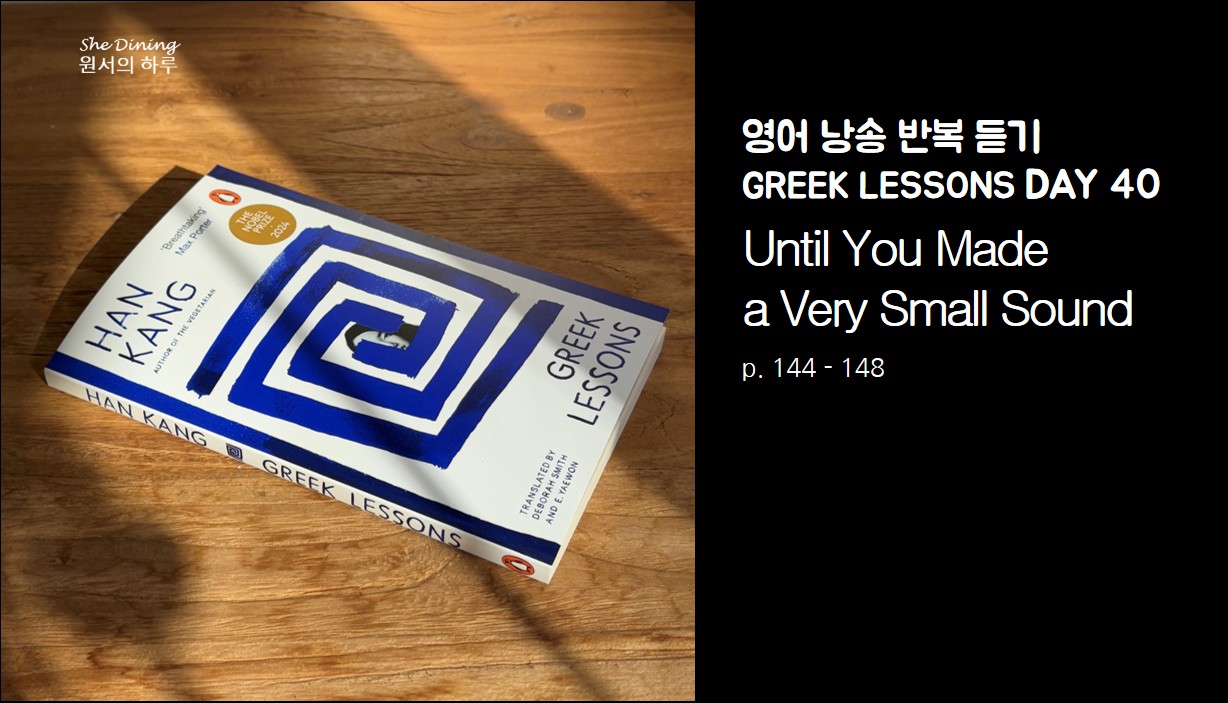
Kate: Wow, that was really beautiful.
와, 정말 아름다운 이야기였어.
Josh: Yeah, I’ve never read a book that speaks so gently before.
맞아, 이렇게 부드럽게 마음에 와닿는 책은 처음이야.
Kate: How would you answer Han Kang’s question?
한강 작가의 질문에 너는 어떻게 대답할 거야?
If we are to keep on living, then what kind of life should it be?
우리가 계속 살아야 한다면, 어떤 삶이어야 할까?
Josh: As society changes over decades, society tells us to live a life of ‘work hard’ or ‘live happily’ or ‘support family’ based on the economy.
시대가 바뀌면서 사회는 우리에게 ‘열심히 일해라.’라든지 ‘행복하게 살아라’ 아니면 ‘가족을 부양해라’ 같은 방식으로 경제에 따라서 정해진 기준으로 우리의 삶을 이야기하잖아.
But for thousands of years ancient texts tell us to live a life of love.
하지만 수천 년 동안 전해 내려오는 고전들은 사랑하며 살아야 한다고 늘 말해왔지.
I think the author’s story is very much about humans’ need for connection, relationships and love.
이 작가의 이야기도 결국 인간에게 필요한 건 연결과 관계 그리고 사랑이라고 말하고 있는 것 같아.
If we want to live a fulfilling life then a life of love is important.
만족스러운 삶을 살고 싶다면 사랑이 꼭 필요하다고 생각해.
Kate: Very well put, Josh!
조쉬, 너무 좋은 말이야!
Josh: Last question for this book, Kate.
케이트, 이 책의 마지막 질문이야.
If we are to keep on living, then what kind of life should it be?
우리가 계속 살아야 한다면, 어떤 삶이어야 할까?
Kate: I agree with you.
나도 네 말에 공감해.
We need connection and for us to experience an authentic connection,
우리에겐 연결이 필요하고 진실한 연결을 경험하기 위해
we need to learn how to look out for others rather than focus so much on ourselves.
우리는 자신만 생각하지 않고 타인을 돌보는 법을 배워야 해.
Josh: Very important but difficult lessons to apply to daily life sometimes, right?
정말 중요하지만 실제 삶에서 실천하긴 어려운 것 같지 않아?
Kate: How about you?
넌 어때?
If we are to keep on living, then what kind of life should it be?
우리가 계속 살아야 한다면, 어떤 삶이어야 할까?
Me: _________ .
Kate: That’s so true.
정말 맞는 말이야.